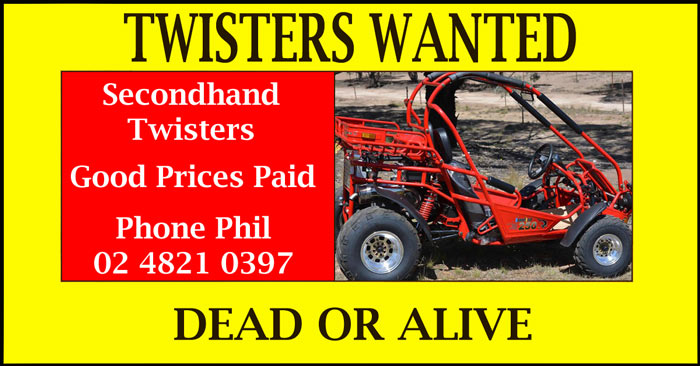
Buying a recreational vehicle for a child can be exciting, but it also comes with important responsibilities. Parents need to consider more than appearance and price when choosing buggies for kids. Vehicle size, operating environment, supervision, safety equipment, and the child’s experience level all play an important role.
For families in the Goulburn area, Goulburn Off Road Carts can provide practical guidance when parents are comparing recreational vehicles and deciding what may be appropriate for their children.
1. Start With Age Suitability and Safety Requirements
The first consideration should always be whether the vehicle is appropriate for the child’s age, physical development, experience, and intended environment.
Match the Vehicle to the Child
Age suitability is more than simply checking a manufacturer’s recommended age range. Parents should consider whether the child can comfortably reach and operate the controls and understand basic instructions.
A child should never operate a vehicle beyond their ability level simply because they are physically large enough to fit inside it.
Make Safety the Priority
Safety should influence every part of the purchasing decision. Parents should look for appropriate restraints, protective structures, reliable brakes, stable handling, and controls that are easy to understand.
Children should also receive clear instructions before operating any recreational vehicle. Adult supervision is essential, particularly for younger or inexperienced riders.
2. Choose the Right Engine Size and Vehicle Type
Engine size can significantly affect how a buggy performs. More power can mean higher speeds and stronger acceleration, which may not be suitable for a young or inexperienced driver.
Why Engine Size Matters
Parents should choose a vehicle based on the child’s experience and intended use rather than selecting the most powerful option available.
A smaller, appropriately powered vehicle can provide a more manageable introduction to recreational driving. Terrain should also influence the decision because steep or uneven ground requires greater care.
Consider the Intended Environment
Think about where the vehicle will actually be used. A controlled private property is different from a challenging off-road trail.
An off road buggy designed for adult recreational use may not be appropriate for a child simply because it has a passenger seat or appears easy to operate.
3. Inspect the Vehicle Before Making a Purchase
Whether buying new or used, parents should inspect the vehicle carefully before making a commitment.
Check Mechanical and Structural Components
Examine the brakes, steering, tires, suspension, frame, safety restraints, and engine compartment. Look for leaks, unusual noises, corrosion, damaged wiring, or signs of poor repairs.
If purchasing a pre-owned vehicle, ask about its service and repair history. Previous use can have a significant effect on the condition of an off-road machine.
Professional off road carts repairs may also be needed when an older vehicle requires replacement components or mechanical attention.
Consider Parts and Repair Availability
Before purchasing an uncommon model, find out whether replacement parts and qualified technicians are available locally.
Access to off road products repair services can be particularly valuable when maintaining a vehicle that is used regularly.
4. Look Beyond the Vehicle and Consider the Family’s Needs
A child’s vehicle should fit the family’s overall needs, storage arrangements, supervision plans, and intended activities.
Think About Future Use
Some families want a small recreational vehicle for occasional supervised use, while others may have larger rural properties where recreational vehicles are part of everyday outdoor activities.
Families that already use farming equipment should keep children’s recreational vehicles separate from work machinery and establish clearly defined riding areas.
Compare Different Models Carefully
The market includes a variety of small recreational carts and larger vehicles. A kids Mini Sport Cart may suit one family, while another may be considering larger options.
Parents researching different products may encounter names such as the twister 300ss Wwidetrack or a hammerhead buggy for off-road adventures. Rather than choosing based on appearance or brand recognition, compare the specifications, recommended users, safety features, and operating requirements.
5. Understand the Long-Term Costs and Responsibilities
The initial purchase price is only one part of owning a recreational vehicle for a child.
Budget for Maintenance
Parents should account for routine servicing, tires, brakes, batteries, fluids, replacement parts, and unexpected repairs.
A vehicle that appears inexpensive initially may become costly if parts are difficult to obtain or previous owners have neglected routine maintenance.
Plan for Storage and Regular Inspections
Proper storage can help protect the vehicle from weather and unnecessary deterioration. Parents should also inspect the machine regularly, particularly before allowing a child to ride.
If the vehicle is used around a rural property, families may have other equipment and services to maintain as well. For example, fire pump services may be relevant to broader property management, but they are separate from recreational vehicle maintenance.
What Should Parents Know About the Off-Road Vehicle Market in 2026?
The Off-Road Vehicle Market in 2026? offers families a broad range of recreational and utility vehicles. However, more choice does not necessarily make the decision easier.
Compare Safety Features Before Price
When comparing vehicles, parents should first evaluate safety equipment, size, speed, controls, and suitability for the intended driver.
Price should be considered after determining whether the vehicle is appropriate for the child.
Be Careful With Used Listings
Used listings can offer attractive prices, but parents should investigate the vehicle’s history and physical condition.
For example, searches for off road used twisters Goulburn may produce several different vehicles with varying ages, modifications, and maintenance histories. A careful inspection is important before buying any used model.
What About Larger Vehicles and Family Recreation?
Some parents may also encounter side by side vehicles for sale while researching recreational options. These vehicles are generally designed for different uses and may have substantially different operating characteristics from smaller children’s recreational carts.
Don’t Assume Bigger Means Better
A larger vehicle can provide additional seating or utility, but that does not automatically make it appropriate for young drivers.
Parents should always follow the manufacturer’s age, operating, and safety recommendations rather than allowing a child to operate a vehicle intended for older or more experienced users.
How Can Parents Keep a Child’s Vehicle in Good Condition?
Routine care can reduce the likelihood of unexpected mechanical problems and help parents identify issues before use.
Perform Pre-Ride Checks
Before each ride, check the tires, brakes, steering, restraints, controls, and visible mechanical components. Make sure the riding area is appropriate and free from hazards.
Schedule Professional Maintenance
Periodic professional inspections can identify wear that may not be obvious to a parent during a quick visual check.
This is particularly important for used vehicles or machines that are operated frequently on rough terrain.
Conclusion: Choose the Right Buggy With Safety in Mind
Buying buggies for kids requires careful consideration of age suitability, safety, engine size, vehicle condition, supervision, and long-term maintenance. The best choice is not necessarily the fastest or most powerful vehicle. It is the one that matches the child’s abilities and the family’s intended use while providing appropriate safety features and reliable support.
Before purchasing a recreational vehicle for your child, take time to compare your options and have the vehicle properly evaluated. Contact us Goulburn Off Road Carts to discuss your requirements and get practical guidance on choosing, inspecting, and maintaining a suitable recreational vehicle for your family.
Frequently Asked Questions
1. What age is appropriate for a child’s buggy?
There is no universal age that applies to every vehicle. Parents should follow the manufacturer’s recommended age and operating requirements while considering the child’s physical ability, maturity, experience, and supervision needs.
2. How important is engine size when choosing a buggy for a child?
Engine size is very important because it affects acceleration, speed, and overall performance. Parents should select an appropriately powered vehicle rather than automatically choosing a more powerful model.
3. Should children always be supervised while operating a buggy?
Yes. Adult supervision is particularly important for younger and inexperienced riders. Children should operate recreational vehicles only in appropriate environments and according to the manufacturer’s safety instructions.
4. Is buying a used children’s buggy a good idea?
It can be, provided the vehicle is thoroughly inspected. Parents should check its mechanical condition, safety equipment, frame, brakes, tires, maintenance records, and parts availability before purchasing.
5. What should I check before allowing my child to ride?
Inspect the tires, brakes, steering, restraints, controls, and visible mechanical components. Also make sure the riding area is suitable, clear of hazards, and appropriate for the child’s experience level.