Buying a used off-road vehicle can be an excellent way to enjoy recreational driving, property work, or outdoor adventures without paying the price of a brand-new machine. However, appearance alone does not tell you whether a pre-owned buggy is reliable or worth the asking price. A thorough inspection can uncover mechanical problems, structural damage, and maintenance issues before you commit.
If you are searching for a used off road buggy in the Goulburn area, Goulburn Off Road Carts can help you understand what to look for when evaluating a pre-owned vehicle.
1. Inspect the Engine and Mechanical Components
The engine is one of the most important components to evaluate before purchasing a used buggy. Repairs to major mechanical components can quickly turn an affordable purchase into an expensive one.
Look for Signs of Engine Problems
Start the engine from cold if possible. Listen for unusual knocking, rattling, excessive vibration, or inconsistent idling.
Check for visible oil leaks around the engine and inspect fluid levels and conditions. Excessive smoke from the exhaust can also indicate potential mechanical problems.
A careful engine inspection should include the starting system, cooling system, belts, hoses, and other accessible components.
Take a Test Drive
A test drive can reveal problems that are difficult to identify while the vehicle is stationary. Pay attention to acceleration, braking, steering response, unusual sounds, and changes in engine performance.
If the seller refuses to allow a reasonable inspection or test drive, consider that a warning sign.
2. Examine the Suspension and Steering System
Off-road vehicles experience more demanding conditions than many road-going vehicles. Rough terrain, uneven surfaces, and repeated impacts can place significant stress on suspension and steering components.
Check Shocks, Springs, and Bushings
Inspect the suspension for leaking shocks, damaged springs, worn bushings, or loose components. Look for uneven ride height or unusual movement when the buggy is driven over rough terrain.
A worn suspension system can affect comfort, handling, and safety.
Test the Steering
Turn the steering wheel while the vehicle is stationary and during a slow test drive. Excessive play, unusual noises, or inconsistent steering response may indicate worn components.
Addressing suspension problems before purchase can prevent unexpected repair costs later.
3. Inspect the Frame Condition Carefully
The frame provides the structural foundation of an off-road buggy. Damage to this area should never be overlooked.
Look for Cracks and Weld Repairs
Inspect the frame, mounting points, roll cage, and other structural areas for cracks, bent sections, corrosion, or questionable welds.
Fresh paint in one isolated area can sometimes conceal previous damage, so look for inconsistencies in finish and construction.
Check for Evidence of Heavy Use
Signs of significant impact damage may include bent brackets, misaligned components, or unusual gaps between structural parts.
If you suspect the vehicle has been involved in a major accident or rollover, consider having it inspected by a qualified technician before purchasing it.
4. Review the Maintenance History
A well-documented maintenance history provides valuable insight into how a vehicle has been treated.
Ask for Service Records
Look for records showing oil changes, filter replacement, brake servicing, belt inspections, and other routine maintenance.
Consistent documentation is generally more reassuring than a seller’s verbal claim that the vehicle has always been maintained.
Identify Previous Repairs
Ask whether the buggy has undergone major engine, transmission, suspension, electrical, or frame repairs.
A vehicle with previous repairs is not necessarily a bad purchase. The key is understanding what was repaired, why it was needed, and whether the work was completed properly.
Professional off road carts repairs may also be worth considering after purchase if an inspection identifies worn components.
5. Check the Tires, Brakes, and Drivetrain
The components responsible for moving and stopping the vehicle deserve close attention.
Inspect Tire Condition
Check the tires for uneven wear, cracking, damaged sidewalls, and insufficient tread. Uneven wear can sometimes indicate suspension or alignment problems.
Also confirm that all tires are appropriate for the type of terrain where you intend to use the buggy.
Test the Braking System
The brakes should provide smooth and predictable stopping power. During a controlled test drive, watch for pulling, grinding, vibration, or unusual pedal behavior.
The drivetrain should also be checked for unusual noises, jerking, or difficulty transferring power.
6. Evaluate the Electrical System and Accessories
Electrical problems can be difficult to diagnose and may become frustrating after purchase.
Test Lights and Controls
Check headlights, brake lights, indicators, switches, gauges, starter controls, and any other electrical accessories fitted to the vehicle.
Look for damaged wiring, loose connections, corrosion, or makeshift electrical repairs.
Check Optional Equipment
Some buggies come equipped with winches, upgraded lighting, storage systems, protective accessories, or other modifications.
Make sure these additions are securely installed and appropriate for the intended use. If replacement components or specialist work are required, off road products repair services may be useful.
7. Consider How the Buggy Fits Your Intended Use
Even a mechanically sound buggy may not be the right choice for your needs.
Match the Vehicle to Your Activities
Some buyers want recreational trail vehicles, while others need equipment for farms, acreage, or property maintenance. If you need a machine for agricultural work, consider whether its capabilities complement your existing farming equipment.
For recreational buyers, comfort, ground clearance, seating, storage, and handling may be more important.
Think About Size and Intended Drivers
If you’re purchasing a smaller recreational vehicle, understand its recommended operating conditions and safety requirements. A kids Mini Sport Cart, for example, should be evaluated very differently from a full-size recreational buggy and should only be used in suitable controlled environments with appropriate supervision.
What About Popular Used Off-Road Models?
The used market includes a wide range of makes and configurations. Buyers may encounter everything from compact recreational carts to larger off-road machines.
Compare Condition Instead of Just Brand Names
A well-maintained older buggy can be a better purchase than a newer model that has been heavily abused. Compare service records, mechanical condition, structural integrity, and overall wear rather than choosing based solely on the badge.
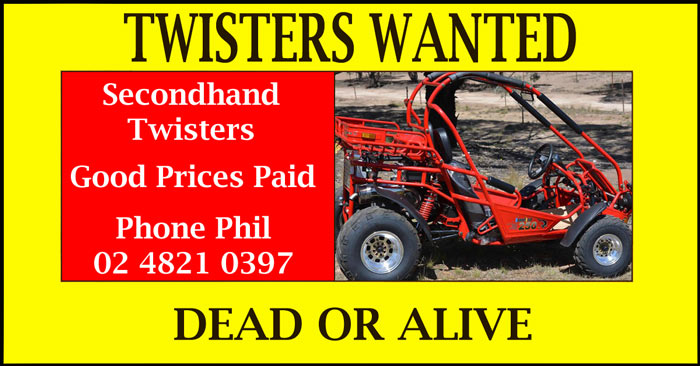
Buyers researching options may come across models such as the twister 300ss Wwidetrack, a hammerhead buggy for off-road adventures, or listings for off road used twisters Goulburn.
The specific model matters, but its actual condition should remain the deciding factor.
How Does the Off-Road Vehicle Market in 2026 Look?
The off-road vehicle market in 2026 includes a broad selection of recreational machines, utility vehicles, carts, and other specialized vehicles. Buyers should focus on total ownership costs rather than the purchase price alone.
Consider insurance, servicing, replacement parts, tires, fuel, storage, and potential repairs when comparing used vehicles.
Consider Long-Term Parts and Service Availability
Before purchasing an uncommon model, check whether replacement parts and qualified repair providers are readily available in your area.
This is especially important if you plan to use the vehicle regularly or depend on it for property-related tasks.
Other Services Worth Considering for Property Owners
Off-road vehicle ownership often goes hand in hand with property maintenance and outdoor work. Depending on your needs, you may also encounter services that support equipment and property operations.
For example, fire pump services can be important for certain rural and agricultural properties where reliable water and fire protection equipment is required.
However, these services are separate from vehicle inspection and should not be used as a substitute for proper mechanical evaluation.
When Should You Walk Away From a Used Buggy?
Not every used vehicle is worth repairing. Walk away or negotiate carefully if you discover major structural damage, serious engine problems, extensive corrosion, missing service records combined with obvious neglect, or significant safety concerns.
A low purchase price does not necessarily mean a good deal if extensive repairs are required immediately.
Get an Independent Inspection
If you’re uncertain about the condition of a vehicle, an independent inspection can provide additional confidence before you buy.
The cost of an inspection is usually small compared with the potential expense of purchasing a buggy with hidden mechanical or structural problems.
Conclusion: Inspect Before You Invest in a Used Off-Road Buggy
Buying a pre-owned buggy can provide an affordable way to enjoy off-road recreation or handle practical tasks, but a careful inspection is essential. Pay particular attention to the engine, suspension, frame, maintenance records, brakes, tires, electrical components, and the vehicle’s suitability for your intended use.
Don’t let a clean exterior or attractive price replace a proper mechanical evaluation. If you’re looking for guidance on purchasing or maintaining an off-road vehicle in the Goulburn area, Contact us Goulburn Off Road Carts to discuss your requirements and get practical assistance before making your next purchase.
Frequently Asked Questions
1. What should I check first when buying a used off-road buggy?
Start with the engine, frame, suspension, brakes, and maintenance records. These areas can reveal major mechanical or structural problems that may significantly affect the vehicle’s value.
2. Why is the frame condition important?
The frame is a critical structural component. Cracks, bends, corrosion, or poorly completed repairs may indicate previous accidents or heavy use and can create serious safety concerns.
3. Is a high-mileage buggy always a bad purchase?
No. Mileage is only one factor. A high-mileage buggy with consistent maintenance and proper repairs can be a better purchase than a low-mileage vehicle that has been neglected or heavily abused.
4. Should I get a used buggy professionally inspected?
Yes, especially if you are unfamiliar with off-road vehicle mechanics. An independent inspection can identify problems that may not be obvious during a basic visual check or test drive.
5. What should I consider besides the purchase price?
Consider ongoing servicing, replacement parts, tires, fuel, insurance, storage, and potential repairs. Parts availability and access to qualified service providers are also important when choosing a used model.