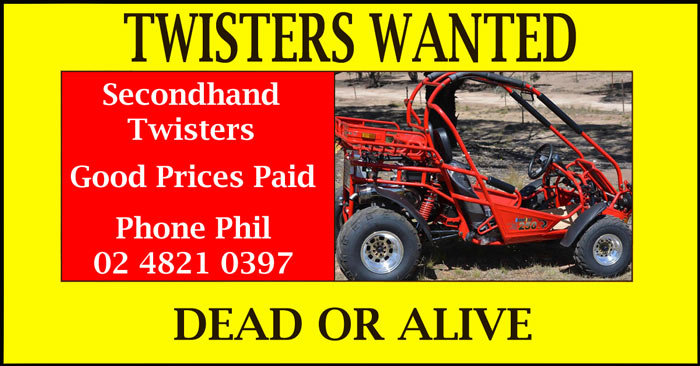
Buying an off-road buggy is an exciting decision, but finding the right one can be challenging when you have a specific budget. With so many models, sizes, features and performance levels available, it is easy to focus on price and overlook other important factors.
Whether you are buying your first buggy or replacing an older model, a clear buggy buying guide can help you compare your options. From vehicle features and performance to maintenance costs and financing, understanding what you are paying for can help you make a smarter choice.
At Goulburn Off Road Carts, buyers can explore different options based on their budget, intended use and performance needs. Consider where you plan to drive, how often you will use the vehicle and what features matter most. Taking these factors into account can help you choose a reliable buggy that offers better value over time.
Start by Setting a Realistic Budget
Before looking at offroad buggies for sale, decide how much you are comfortable spending. Your budget should include more than the initial purchase price.
Consider the Total Cost of Ownership
Think about additional expenses such as registration where applicable, servicing, fuel, replacement parts, safety equipment and repairs.
A cheaper buggy may cost more over time if it requires frequent maintenance. On the other hand, spending more on a quality vehicle with useful features can provide better long-term value.
Keep Some Money Aside for Maintenance
It is always sensible to keep part of your budget available for routine servicing and unexpected repairs. This can make ownership easier and prevent small mechanical problems from becoming expensive issues.
Understand the Main Buggy Features
Different buggies are designed for different purposes. Understanding the available features can help you avoid paying for equipment you do not actually need.
Engine and Power
Engine size and power can affect acceleration, carrying ability and overall performance. A recreational user may not need the same power as someone using a buggy for demanding property work.
Choose power based on your intended use rather than simply selecting the biggest engine available.
Seating and Storage
Think about how many people will regularly use the vehicle. Some models are designed for a single occupant, while others offer additional seating.
Families looking at a kids two seater twister cart should pay particular attention to the manufacturer’s recommended age, passenger capacity and safety features.
Storage space can also be useful if you plan to carry tools, supplies or recreational equipment.
Compare Performance for Your Intended Use
Performance is another important factor when comparing different vehicles.
Consider the Terrain
Think about where you will use the buggy most often. Flat tracks, grass, gravel, mud and steep terrain can all place different demands on a vehicle.
A model that performs well on one type of surface may not be the best choice for another.
Check Handling and Braking
Good steering and reliable braking are essential for maintaining control. If possible, inspect or test the vehicle before buying to understand how it handles.
Look at tyre condition, suspension, ground clearance and braking performance when comparing different models.
New or Used: Which Is Better for Your Budget?
Your budget may determine whether you purchase a new or used buggy.
Benefits of Buying New
A new vehicle can provide the latest features, manufacturer support and greater peace of mind. It may also come with warranty coverage, depending on the seller and manufacturer.
New vehicles are generally a good option if you want predictable maintenance and the latest available specifications.
Benefits of Buying Used
A used buggy can offer good value if it has been properly maintained. However, buyers should inspect the vehicle carefully before making a decision.
If you are comparing off road used twisters goulburn listings, check the vehicle’s service history, tyres, brakes, suspension, engine and overall condition.
A lower purchase price should not be the only consideration.
Explore Your Financing Options
Financing can make an off-road buggy more affordable by spreading the purchase cost over a set period.
Understand the Repayment Cost
Before choosing financing, compare the deposit, interest rate, repayment amount and total amount payable.
A vehicle that fits your monthly budget may still cost significantly more over the full financing period.
Choose a Repayment Plan Carefully
Avoid committing to repayments that put unnecessary pressure on your finances. Consider your regular expenses and leave enough room for servicing, fuel and unexpected costs.
Understanding the complete financing arrangement before signing an agreement can help you avoid surprises later.
Compare Off-Road Buggies Before Buying
Do not purchase the first vehicle that looks suitable. Compare several models based on your actual requirements.
Compare Features and Performance
Create a simple checklist covering:
- Engine and power
- Seating capacity
- Suspension
- Brakes
- Ground clearance
- Tyres
- Storage
- Safety features
- Maintenance requirements
- Warranty
- Overall price
This makes it easier to identify which vehicle offers the best value for your budget.
Think About Future Requirements
Your needs may change over time. If you expect to use the buggy for property maintenance, recreation or transporting equipment, choose a model that can handle those activities.
A little extra planning can prevent you from needing to upgrade sooner than expected.
Consider the Cost of Repairs and Servicing
Maintenance is an important part of the overall ownership cost.
Choose a Vehicle With Accessible Support
Before buying, find out whether replacement parts and servicing are readily available. Local support can make repairs and maintenance more convenient.
Depending on the vehicle, you may require services such as off road products repair services, off road carts repairs or off road tippers repairs.
For specialist mechanical issues, professional off road buggy repair services can also help keep the vehicle operating reliably.
Check the Condition of Used Vehicles
When buying second-hand, inspect for oil leaks, unusual noises, worn tyres, damaged suspension components and signs of previous repairs.
If possible, ask for maintenance records and previous service information before completing the purchase.
Think About Your Main Purpose
The best buggy is not necessarily the most expensive one. It is the one that matches how you plan to use it.
Recreational Use
For recreational driving, comfort, handling and enjoyable performance may be your main priorities.
Property and Farm Use
If you need a vehicle for property work, carrying tools or moving materials, durability and practicality may be more important than top speed.
You may also be comparing related products such as farming equipment or looking for farm equipment for sale, so consider whether one vehicle can meet several of your requirements.
Family Use
If multiple family members will use the vehicle, seating, comfort and safety features should be considered carefully.
Understand the Off-Road Vehicle Market
The Off-Road Vehicle Market in 2026 offers a broad range of recreational and utility vehicles at different price points.
Look Beyond the Price Tag
Market prices can vary depending on brand, specifications, condition and included features. Comparing several options can help you understand whether a particular vehicle is fairly priced.
When browsing off road carts for sale, focus on overall value rather than simply choosing the cheapest option.
Consider Related Vehicle Types
Depending on your requirements, you may also come across side by side vehicles and other utility-focused models.
Compare their seating, handling, storage, power and intended use before deciding which type suits your needs.
Don’t Forget Other Equipment and Services
An off-road business may offer more than recreational buggies. Depending on your requirements, you may also find services and equipment for different applications.
For example, goulburn off road generators can be useful for power requirements, while fire pump services may be relevant for property or agricultural needs.
The key is to choose equipment based on your actual requirements rather than purchasing features you are unlikely to use.
Create a Simple Buying Checklist
Before making your final decision, ask yourself a few important questions:
- What is my maximum purchase budget?
- How will I use the buggy?
- How many people need to use it?
- What type of terrain will I drive on?
- Do I need high performance or basic capability?
- Will I buy new or used?
- What will servicing and repairs cost?
- Are replacement parts easily available?
- Do I need financing?
- Does the vehicle offer good long-term value?
Answering these questions can make the buying process much easier.
Conclusion
Choosing the best off-road buggy for your budget is about finding the right balance between price, features, performance and long-term running costs. Take time to compare models, consider how you will use the vehicle and look beyond the initial purchase price before making your decision. Whether you are looking for a recreational buggy, utility vehicle or related equipment, Goulburn Off Road Carts can help you explore suitable options and can discuss your requirements and find a vehicle that fits your budget and intended use.
FAQs
1. How much should I budget for an off-road buggy?
Your budget should include the purchase price as well as servicing, fuel, repairs, safety equipment and other ownership costs.
2. Is a new or used buggy better?
A new buggy can offer the latest features and warranty support, while a well-maintained used model can provide better value for a limited budget.
3. What features should I compare when buying a buggy?
Compare engine power, seating, suspension, brakes, ground clearance, tyres, storage, safety features and maintenance requirements.
4. Can I finance an off-road buggy?
Financing may be available depending on the seller and your circumstances. Always compare interest rates, repayment amounts and the total cost before committing.
5. How can I find the best buggy for my needs?
Start by deciding your budget and intended use, then compare several models based on their features, performance, condition and long-term running costs.