A child’s off-road buggy can be a fun way for children to enjoy outdoor adventures and learn basic driving skills. However, these vehicles require proper care, supervision and responsible handling.
Before your child starts riding, it is important to choose the right buggy, use suitable safety gear and understand basic riding rules. Age, experience, vehicle size and riding conditions should all be considered to ensure a safe and enjoyable experience.
At Goulburn Off Road Carts, parents can also get guidance on choosing suitable off-road vehicles and keeping them properly maintained. Teaching children to follow instructions, control their speed and stay aware of their surroundings can help build safe riding habits from an early age.
Why Off-Road Buggy Safety Is Important
Off-road areas can include uneven ground, rocks, mud, slopes, tree roots and other unexpected obstacles. Children may not always have enough experience to recognise these hazards or react quickly.
That is why parents should focus on creating a safe riding environment and teaching children responsible habits from the beginning.
A safe ride starts with choosing the right vehicle and continues with proper training, protective equipment and regular maintenance.
Choose the Right Buggy for Your Child
The first step is selecting a vehicle that is suitable for the child’s age, size and experience.
Follow Age Recommendations
Every vehicle has different requirements, so parents should always check the manufacturer’s age recommendations before allowing a child to ride.
A vehicle that is too large or powerful can be difficult for a young rider to control. Parents should never assume that a child is ready for an adult-sized vehicle simply because they have experience with smaller models.
Consider the Child’s Size and Ability
The child should be able to comfortably reach the controls and understand how to operate the steering, accelerator and brakes.
Before riding independently, children should be confident enough to stop the vehicle and respond to simple instructions.
Essential Safety Gear for Young Riders
Safety gear should always be worn, even when the child is riding for a short period.
Wear a Proper Helmet
A properly fitted helmet is one of the most important pieces of safety equipment. It should fit securely and be suitable for the child’s size.
Parents should regularly check the helmet for damage and replace it if it becomes worn or damaged.
Protect Hands, Eyes and Feet
Children should wear gloves, suitable eye protection and sturdy closed footwear. Long trousers and long-sleeved clothing can also help protect the skin from branches, dirt and minor impacts.
Comfort is important, but protective clothing should never be sacrificed for convenience.
Important Riding Rules for Children
Children should learn basic riding rules before they operate an off-road buggy.
Ride Only in Suitable Areas
Choose a controlled area away from busy roads, pedestrians and other hazards. The riding area should be suitable for the child’s experience level.
Parents should inspect the area before each ride and remove or avoid obvious hazards where possible.
Never Carry Extra Passengers
Children should never carry passengers unless the vehicle is specifically designed for more than one person.
Adding another person can affect the balance and handling of the vehicle and may make it harder for a young rider to maintain control.
Keep the Speed Under Control
Speed should always match the rider’s ability and the terrain.
Children should avoid racing, sudden turns, dangerous jumps and other activities that could cause them to lose control.
Learning to ride slowly and confidently is much more important than learning to ride quickly.
Age Recommendations Every Parent Should Understand
There is no single age at which every child becomes ready for an off-road buggy. Children develop different levels of coordination, confidence and judgment.
Start With an Age-Appropriate Vehicle
Parents should always choose a vehicle designed for the child’s age group.
Younger children generally need simpler controls, lower speeds and closer supervision. Older and more experienced riders may be ready for more advanced vehicles, depending on the manufacturer’s recommendations.
Supervision Is Essential
Young riders should never be left completely unsupervised.
Parents should stay close enough to intervene when necessary and should make sure the child understands where they are allowed to ride.
Teach Children How to Handle Different Terrain
Off-road riding can involve many types of surfaces, and each one can affect vehicle control.
Be Careful on Slopes
Slopes can make a vehicle more difficult to control. Children should avoid steep or unfamiliar areas until they have developed sufficient riding skills.
Slow Down on Mud and Loose Ground
Mud, sand and loose gravel can reduce traction. Riders should slow down and avoid sudden steering or braking movements.
Watch for Hidden Obstacles
Rocks, holes, tree branches and ditches can appear unexpectedly. Teach children to look ahead and maintain a safe distance from obstacles.
Inspect the Buggy Before Every Ride
A quick inspection can help prevent avoidable problems.
Check the Brakes and Steering
Make sure the brakes work correctly and that the steering responds normally. Any unusual behaviour should be checked before the vehicle is used.
Check Tyres and Wheels
Look for damaged tyres, loose wheels or signs of excessive wear. Proper tyre condition is important for maintaining control on uneven surfaces.
Check Seats and Safety Features
Make sure seats, belts, guards and other safety components are secure and in good condition.
Regular maintenance is equally important. If a problem cannot be safely handled at home, professional off road buggy repair services can help identify and fix mechanical issues.
Maintenance and Repair Considerations
Regular servicing can help keep an off-road vehicle reliable and safe.
Depending on the type of vehicle, businesses may provide off road products repair services, off road carts repairs and off road tippers repairs.
Parents buying second-hand vehicles should also check their service history and overall mechanical condition before making a purchase.
Buying a Buggy for Your Child
Price should not be the only factor when choosing an off-road buggy.
Look at Safety Features
Before buying, consider:
- Age suitability
- Vehicle size
- Speed and power
- Braking system
- Steering controls
- Safety restraints
- Seat design
- Availability of replacement parts
- Maintenance requirements
Parents searching through off road carts for sale should compare the features of each vehicle instead of choosing only on appearance or price.
Consider Used Vehicles Carefully
Used vehicles can be a practical option, but they should be inspected carefully.
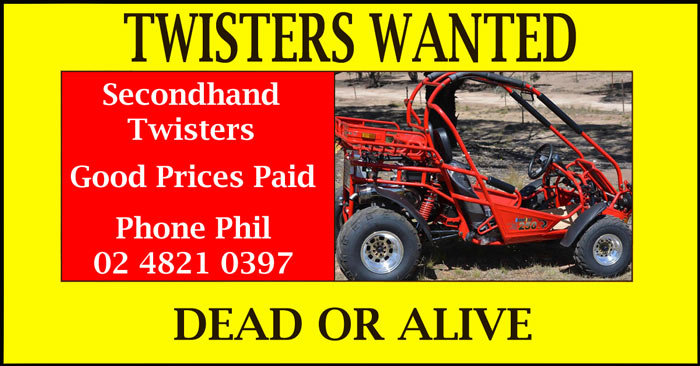
For example, families looking at off road used twisters goulburn should check the vehicle’s condition, previous use, maintenance history and safety equipment before purchasing.
A kids two seater twister cart may also be suitable for certain family activities, but parents should confirm the manufacturer’s recommended age, passenger capacity and safety requirements first.
Off-Road Vehicles and Different Uses
Not every off-road vehicle is designed for children’s recreation. Some are built for agricultural, commercial or heavy-duty applications.
The wider Off-Road Vehicle Market in 2026 includes recreational buggies as well as utility vehicles and equipment for farms and businesses.
Parents should always make sure that the vehicle they choose is specifically suitable for the intended rider and purpose.
Equipment such as farming equipment and other utility machinery should never be assumed to be appropriate for children simply because it is used on private property.
Common Mistakes Parents Should Avoid
A few simple mistakes can increase the risk of accidents.
Choosing a Vehicle That Is Too Powerful
A bigger or faster vehicle is not necessarily better. Children need a model they can comfortably control.
Ignoring Protective Equipment
Even experienced riders can fall or lose control. Safety gear should therefore be used every time.
Allowing Children to Ride Alone
Young children require supervision. Parents should remain nearby and monitor the riding environment.
Skipping Maintenance
Small mechanical problems can become bigger safety issues. Regular inspections and timely repairs are important.
How Parents Can Make Riding Safer
Parents can create a simple safety routine before every ride.
First, inspect the buggy. Next, make sure the child is wearing all required safety gear. Then, explain where the child can ride and remind them about speed and obstacles.
Parents should also teach children to stop immediately if they notice a problem with the vehicle or feel uncomfortable.
Good habits developed early can help children become more responsible riders as they grow.
Conclusion
A child’s off-road buggy can provide plenty of outdoor fun when it is used responsibly. Choosing an age-appropriate vehicle, following safety recommendations, wearing the right safety gear, learning basic riding rules and providing proper supervision can make a major difference.
Regular servicing and timely repairs are also important for keeping the vehicle in good condition. Whether you are looking for a recreational buggy, replacement support or other equipment, including fire pump services and goulburn off road generators, choosing a reliable local provider can make ownership easier. For vehicle options, servicing or expert assistance, Contact us Goulburn Off Road Carts and discuss your requirements with a team that can help you make a suitable choice.
FAQs
1. What age is suitable for a child’s off-road buggy?
The suitable age depends on the vehicle manufacturer’s recommendations, the child’s size, ability and riding experience.
2. What safety gear should children wear when riding?
Children should wear a properly fitted helmet, eye protection, gloves, sturdy footwear and suitable protective clothing.
3. Can children ride an off-road buggy without adult supervision?
Young children should always be supervised by a responsible adult while operating an off-road buggy.
4. Can two children ride in an off-road buggy?
Only if the vehicle is specifically designed and approved for two occupants. Never exceed the manufacturer’s passenger limit.
5. How often should an off-road buggy be checked?
A basic safety inspection should be completed before every ride, while regular servicing should follow the manufacturer’s maintenance recommendations.